
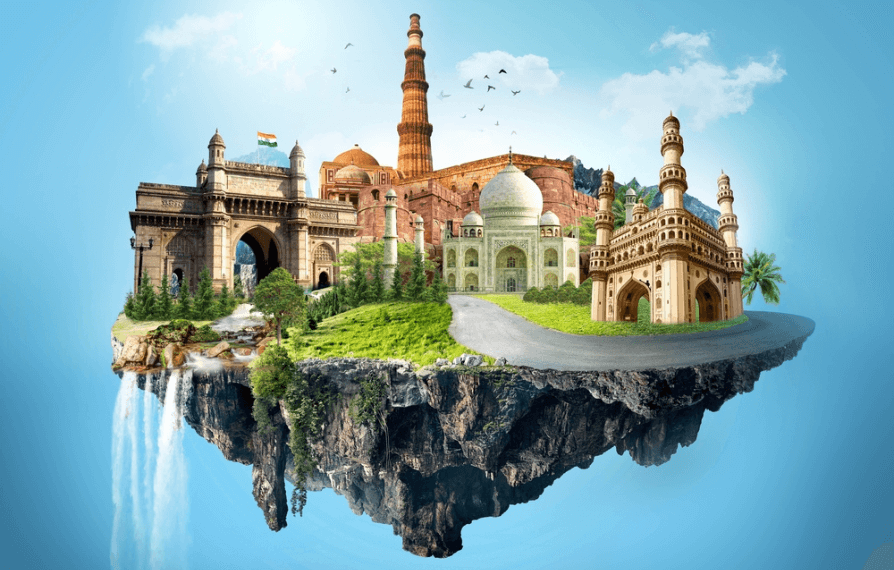
India is not just a country—it is a living, breathing civilization layered with centuries of history, tradition, and transformation. The phrase “the soul of the soil” captures something deeply rooted: a cultural essence that grows from the land itself, shaped by its people, beliefs, languages, and ways of life. To understand Indian culture is to journey through time, diversity, and an extraordinary unity that binds it all together.
A Civilization Rooted in Time
Indian culture is one of the oldest continuous cultures in the world, tracing its origins back to the Indus Valley Civilization. From ancient cities like Harappa to the philosophical richness of the Vedas and Upanishads, India has always been a land of intellectual and spiritual exploration. Knowledge here was never just about survival—it was about understanding existence itself.
Unity in Diversity
India’s cultural identity is defined by its diversity. With 22 officially recognized languages and hundreds of dialects, every region speaks its own story. From the colorful festivals of Kerala to the vibrant traditions of Rajasthan, every state contributes a unique thread to India’s cultural fabric.
Festivals like Diwali, Eid al-Fitr, and Christmas are celebrated across communities, often beyond religious boundaries. This coexistence reflects a deeper philosophy—“Vasudhaiva Kutumbakam”—the world is one family.
Spirituality at the Core
Perhaps the most defining aspect of Indian culture is its spiritual depth. The land has given birth to major religions like Hinduism, Buddhism, Jainism, and Sikhism.
Practices like yoga and meditation are not trends but ancient disciplines rooted in self-awareness and harmony. Even today, millions seek meaning not just in material success, but in inner peace and balance.
Art, Music, and Expression
Indian culture thrives in its artistic expressions. Classical dance forms like Bharatanatyam and Kathak tell stories through movement, while music ranges from the classical ragas to modern fusion.
Icons like Ravi Shankar introduced Indian classical music to the global stage, while literature from Rabindranath Tagore continues to inspire generations. Art in India is not just performance—it is devotion, storytelling, and identity.
Food: A Cultural Experience
Indian cuisine is a reflection of its geography and culture. From spicy curries in the south to rich Mughlai dishes in the north, every meal tells a story of history and tradition.
Dishes like Biryani, Dosa, and Butter Chicken are not just food—they are cultural symbols passed down through generations.
The Modern Blend
Today’s India stands at the crossroads of tradition and modernity. While technology and globalization shape lifestyles, the core values of family, respect, and community remain intact. Young Indians embrace innovation without letting go of their roots.
Bollywood, digital platforms, and startups represent a new cultural wave, yet they often draw inspiration from traditional narratives and values.
The Eternal Essence
The soul of Indian culture lies in its ability to evolve without losing its essence. It is found in the rhythm of temple bells, the chaos of bustling markets, the silence of meditation, and the warmth of a shared meal.
India teaches the world an important lesson: diversity does not divide—it enriches. Culture is not static; it is alive, growing, and deeply connected to the soil from which it rises.
Conclusion
Understanding Indian culture is not about memorizing facts—it is about experiencing its depth. It is in the stories we hear, the traditions we follow, and the values we carry forward. The soul of the soil is not just in the land—it lives within its people.
India, in all its complexity, remains a timeless reminder that true richness lies not in uniformity, but in harmony.
April 20, 2026, 8:48 a.m.

©Copyright 2026 Prayanz | Design By